May 15, 2026
The process of shaping the built environment requires a delicate balance between artistic vision and technical precision. This practice is far more than just sketching beautiful facades; it is a holistic discipline that considers how humans interact with space, light, and material. Every structure tells a story about its purpose and the culture that birthed it. By examining the fundamental components that define modern building practices, we gain a deeper appreciation for the structures that house our lives. A successful project emerges from the intersection of critical dimensions, each demanding expertise. From conceptualization to realization, these elements guide the transformation of an idea into a reality that serves occupants while respecting the landscape.
1. Prioritizing Functional Efficiency
The primary purpose of any structure is to serve its users effectively through thoughtful spatial organization. Architects begin by analyzing the specific activities that will occur within a building to ensure that every square foot is utilized to its maximum potential. This involves mapping out the flow of movement between rooms and ensuring that utility systems are integrated seamlessly. When a space is designed with functional efficiency at the forefront, it minimizes wasted energy and physical effort. The relationship between different zones must be logical and intuitive for those inside.
Beyond layout, functionality encompasses the long-term adaptability of a building. A well-designed space should be able to evolve alongside the changing needs of its inhabitants without requiring massive structural overhauls. This foresight prevents the premature obsolescence of buildings and ensures they remain valuable assets for decades. Designers must anticipate future technological integrations and shifts in lifestyle during the early stages of planning. By creating flexible environments that support diverse functions, the design remains relevant throughout its entire lifespan.
2. Integrating Environmental Context
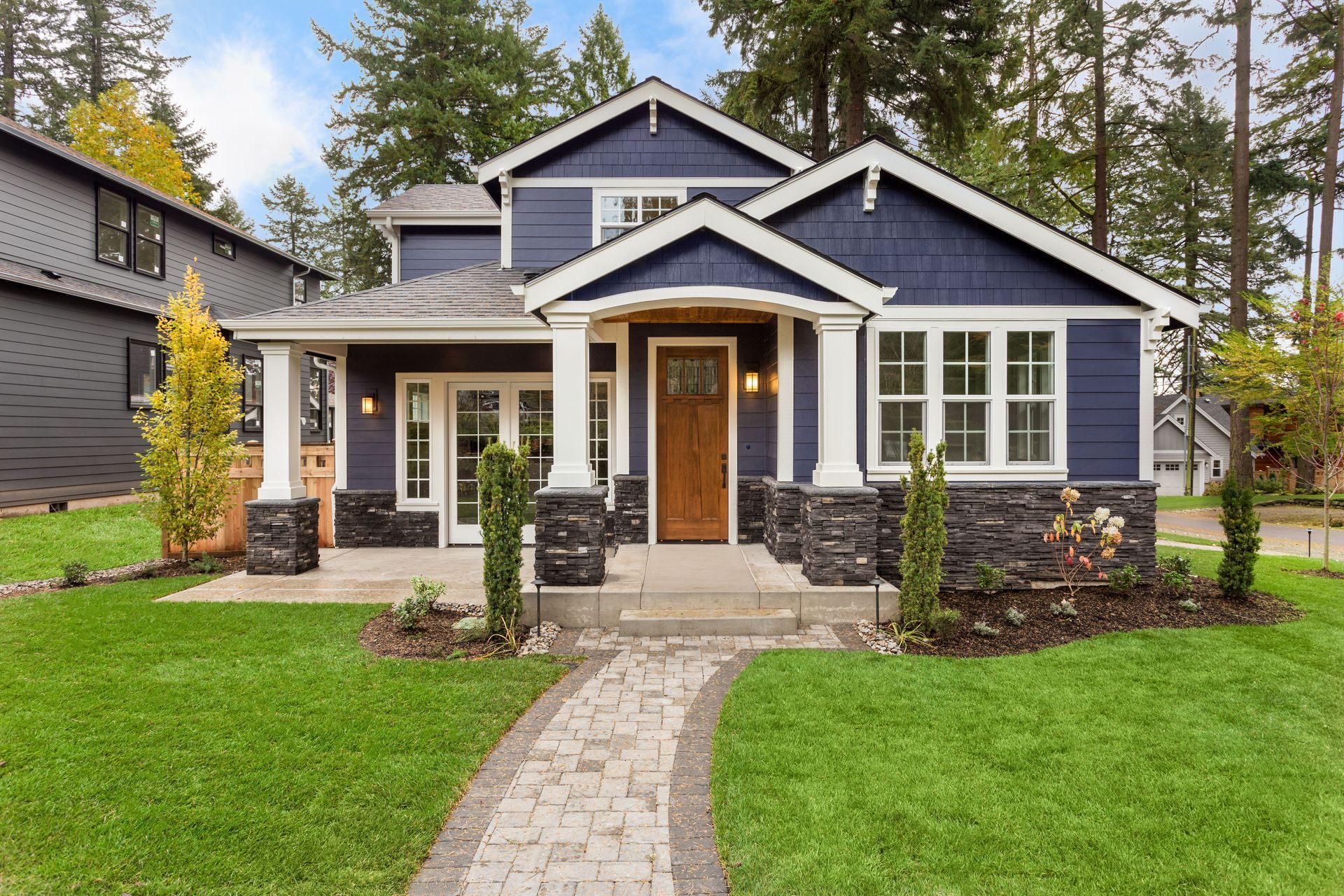
A building does not exist in a vacuum; it is part of an ecosystem and a neighborhood character. Integrating environmental context means acknowledging the topography, climate, and existing architectural language of the site. Architects study sun paths to optimize natural lighting and wind patterns to facilitate passive cooling, reducing reliance on mechanical systems. This connection to the outdoors creates a sense of place, making the structure feel like a natural extension of its surroundings. The choice of site orientation and window placement can significantly influence the thermal comfort of the occupants.
In addition to physical characteristics, the cultural and historical context of a location plays a vital role in shaping the design. Respecting local heritage often involves using materials indigenous to the region or echoing proportions found in nearby structures. This does not mean simply mimicking the past, but rather entering into a dialogue with it to create something grounded. When a project honors its environmental context, it fosters a stronger bond between the community and the built environment. Such designs are often more sustainable because they utilize local resources and respond naturally to local climate challenges.
3. Utilizing Advanced Technology
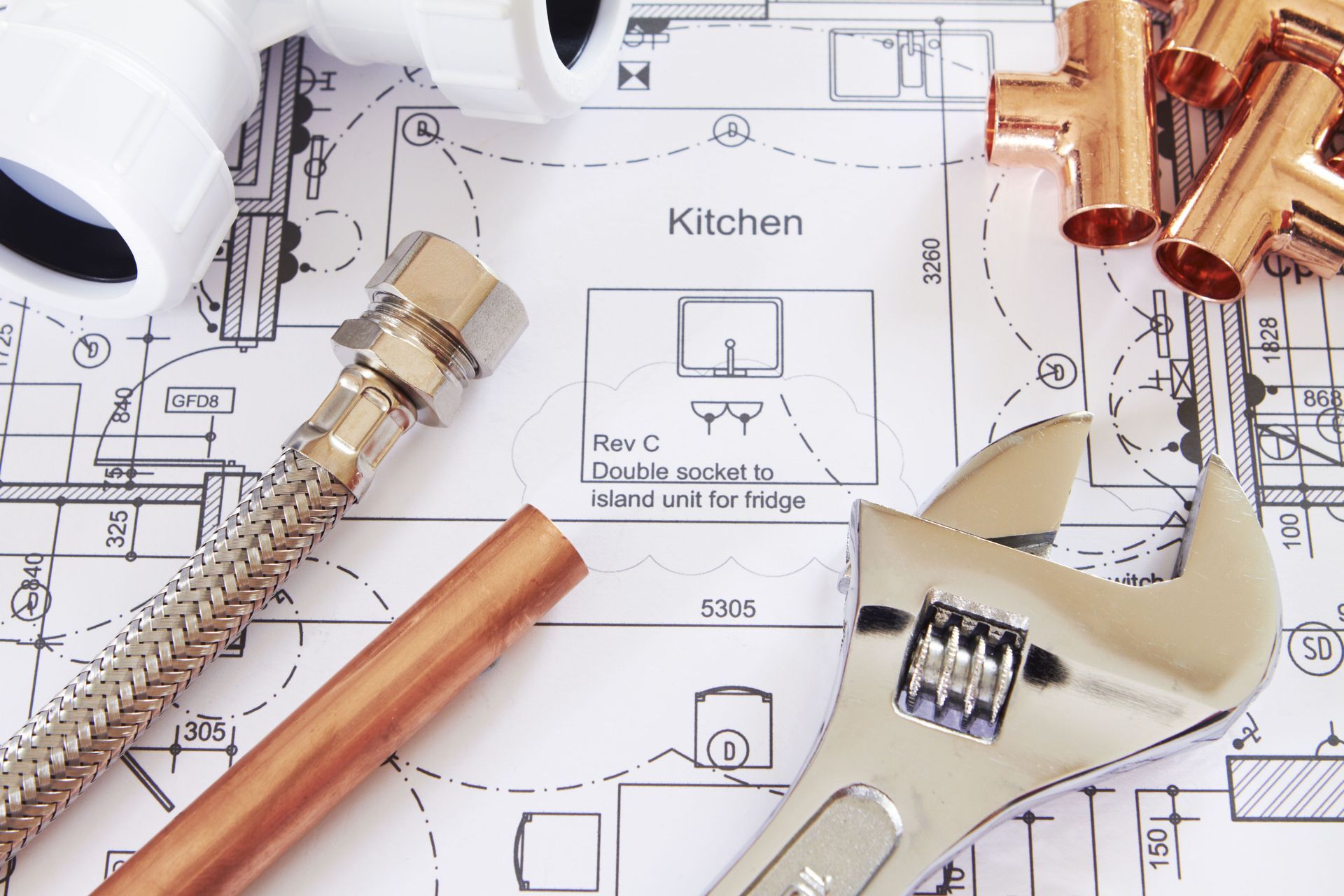
The way buildings are conceived and executed has been revolutionized by the digital age. Utilizing advanced technology allows for unprecedented accuracy and collaboration throughout the design and construction phases. Designers now have access to tools that simulate environmental performance, structural behavior, and the sensory experience of a space. This reduces errors, streamlines the workflow, and allows for more complex geometries to be explored safely. According to Facts.net, architects typically use CAD software to develop a three-dimensional model. These digital representations serve as a central source of truth for all parties involved.
Furthermore, technology enables a more sustainable approach to building through precise resource management and energy modeling. Virtual reality tools allow clients to walk through their future spaces, providing a clear understanding of scale and materiality. This immersive feedback loop helps refine the architectural design during the early stages, preventing costly changes during construction. As the industry continues to evolve, these digital tools are becoming even more integrated, paving the way for smarter buildings. The fusion of human creativity and technological power is defining the next era of our built world.
4. Implementing Sustainable Practices
In an era of increasing environmental awareness, the responsibility to build sustainably has become a mandatory facet of the industry. Implementing sustainable practices involves selecting renewable materials, reducing carbon footprints, and designing for high energy efficiency. This approach looks at the entire life cycle of a building, from raw material extraction to the eventual repurposing of the structure. By incorporating green roofs, solar arrays, and high-performance insulation, architects can create buildings that contribute positively to their environment. Sustainability is a core requirement for any forward-thinking project.
Beyond technical systems, sustainable design focuses on the health and wellness of the occupants. Using non-toxic materials and maximizing access to fresh air and daylight improve indoor air quality and productivity. Water conservation strategies, such as greywater recycling and xeriscaping, further reduce the environmental impact of the development. These choices reflect a commitment to the future and a realization that the buildings we create today have long-term effects. When sustainability is woven into the fabric of the architectural design, the result is a project that is ethical, economical, and enduring.
5. Refining Conceptual Foundations
Before any physical work begins, the intellectual core of a project must be established through rigorous creative exploration. Refining conceptual foundations allows the designer to move past surface-level ideas and discover the true soul of a potential building. This phase often involves research into the historical context of the area or the specific psychological needs of the intended demographic. When the core concept is strong, it acts as a compass for every subsequent decision made during the architectural design process. A project without a firm conceptual footing often lacks a clear identity once completed.
The conceptual stage is also the ideal time to test the boundaries of innovation and tradition. By sketching multiple iterations and challenging initial assumptions, the team can uncover unique spatial solutions that might otherwise be overlooked. This deep dive into the purpose of the structure ensures that the final result is not just a building, but a statement of intent. A well-refined concept translates into a narrative that the client can understand and the community can appreciate. It is this intellectual depth that separates standard construction from a truly masterful architectural design that inspires.
6. Coordinating Multidisciplinary Teams
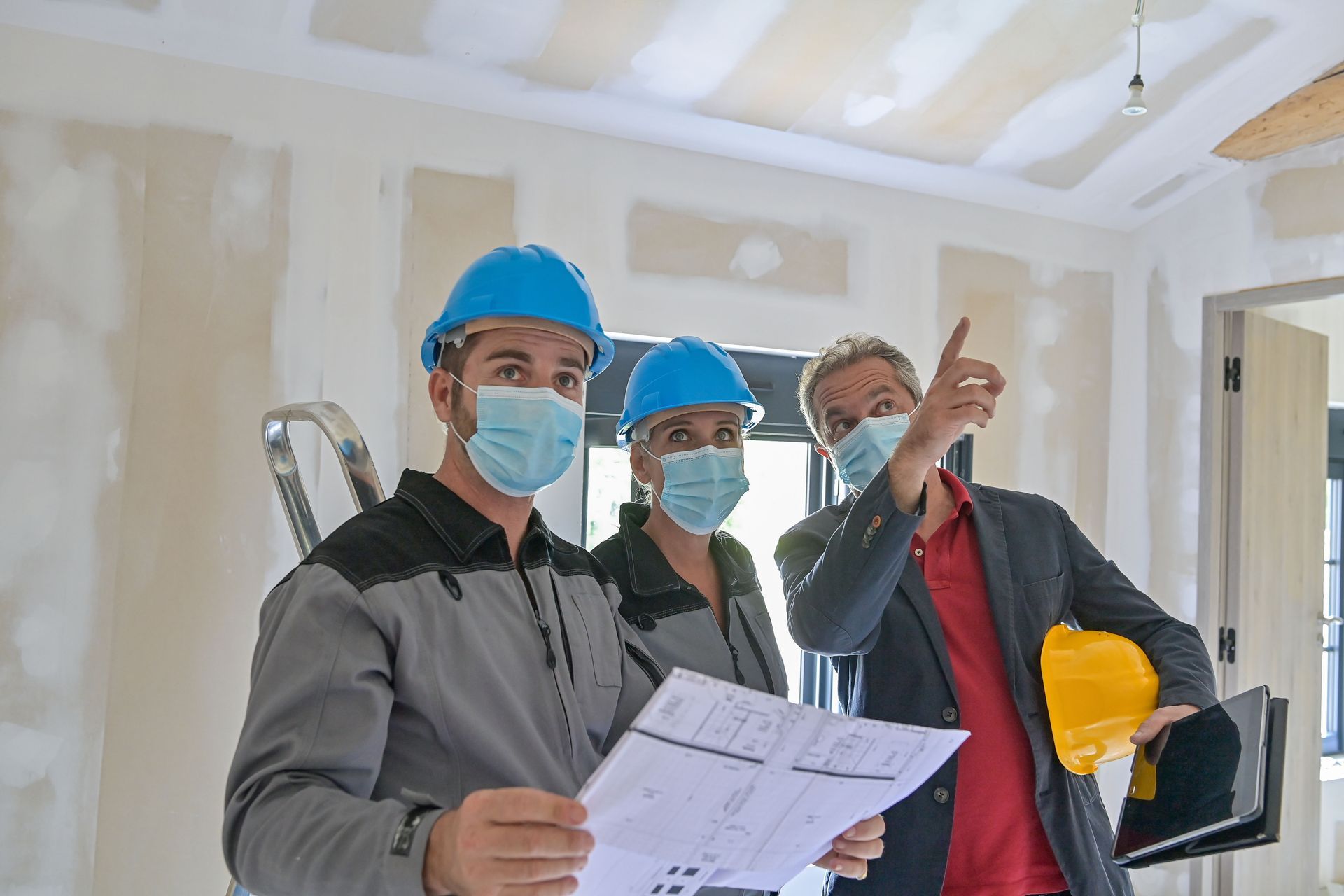
The realization of a complex structure requires the synchronized efforts of various specialists working toward a common goal. Coordinating multidisciplinary teams is essential to ensure that the vision is not lost in translation between different fields of expertise. This collaboration involves constant communication between structural engineers, landscape designers, interior consultants, and environmental specialists. The lead designer must act as a conductor, ensuring that each discipline contributes its best work while maintaining project harmony. Effective coordination prevents conflicts during construction and ensures that technical requirements are met without sacrificing the architectural design.
Successful team management involves fostering an environment where innovation can thrive through shared knowledge. When specialists from different backgrounds come together, they can often find creative solutions to technical challenges that an individual might not have considered. Regular meetings and integrated digital platforms allow for real-time updates and collective problem-solving. This unified approach results in a more cohesive and higher-quality final product that reflects the combined wisdom of all participants. By prioritizing team synergy, the project moves from a collection of separate parts to a fully realized and functional masterpiece.
The intricate world of architectural design is a tapestry of various competing and complementary needs. By addressing functionality, context, technology, sustainability, and collaboration, designers create spaces that are far more than the sum of their parts. Each facet plays a vital role in ensuring that a building is not only safe and efficient but also inspiring and meaningful. As we look toward the future, the integration of these elements will continue to evolve, pushed forward by new innovations and a deeper understanding of our relationship with the environment. If you are looking to embark on a project that embodies these principles and brings your vision to life, please contact Creative Concepts Architecture.